

CENTRAL ASIA TRAVEL BLOG
Best Time to Visit Turkmenistan: Weather by Month & Travel Seasons
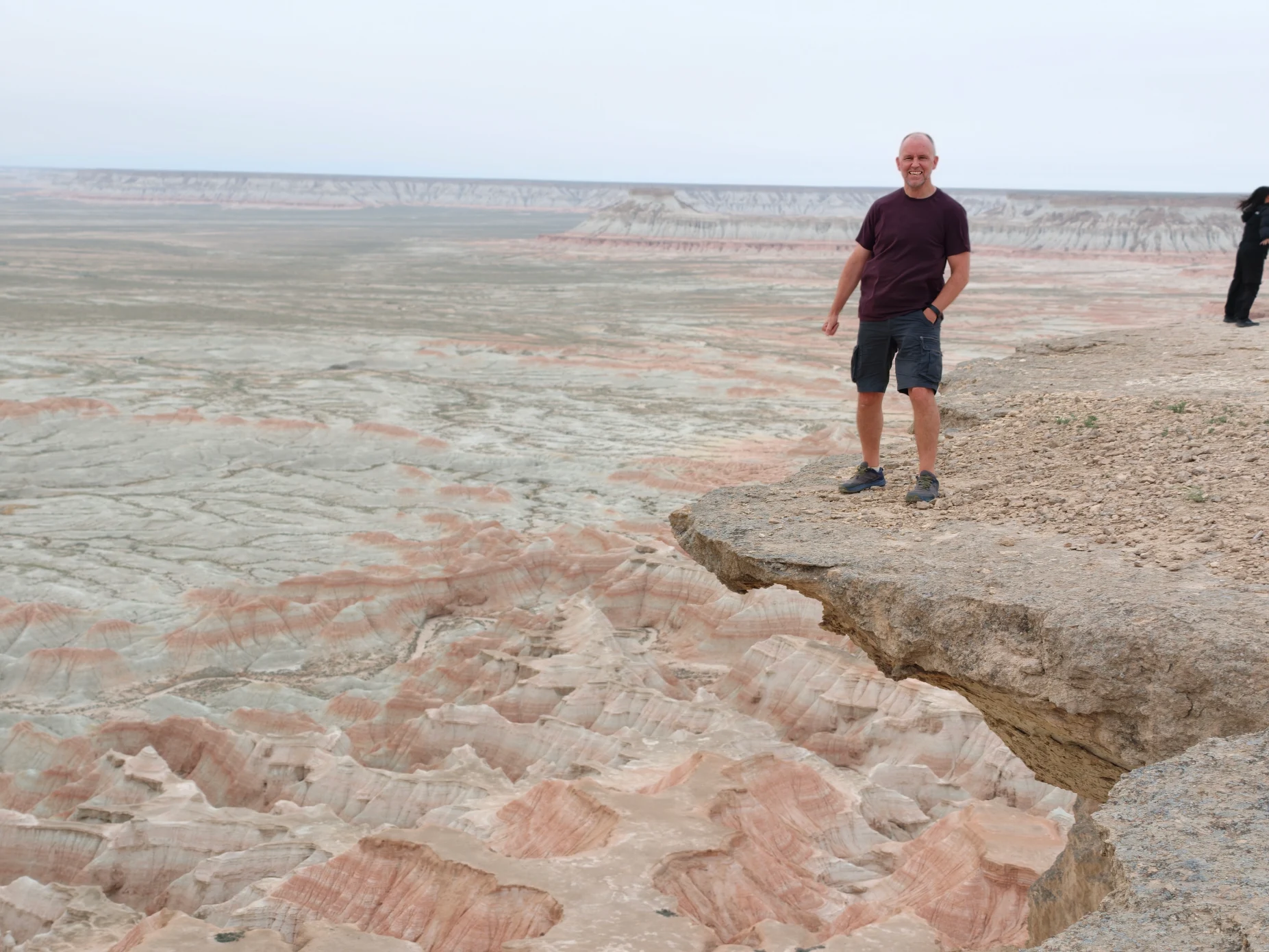
The best time to visit Turkmenistan depends on the type of trip you are planning, but for most travelers, spring and autumn offer the most comfortable conditions for exploring the country. During these seasons, daytime temperatures are generally more pleasant for sightseeing, desert travel and longer overland journeys.
Turkmenistan has a strongly continental climate, so conditions can vary significantly between Ashgabat, the Karakum Desert, the Caspian coast and historical regions such as Merv and Kunya-Urgench. In this guide, we explain Turkmenistan weather by month, the main travel seasons and the best periods for visiting destinations such as Darvaza Gas Crater, Yangykala Canyon and Ashgabat.
Table of Contents
Best Time to Visit Turkmenistan at a Glance
For most travelers, the best time to visit Turkmenistan is during spring and autumn, when temperatures are generally more comfortable for city sightseeing, desert journeys and longer overland routes.
April and May are particularly pleasant for exploring Ashgabat, Ancient Merv, Kunya-Urgench and the Karakum Desert, while late September and October usually offer another comfortable travel window after the hottest summer months.
Summer can be extremely hot, especially in the desert and inland areas, while winter travel is possible but brings colder nights and more variable conditions. The ideal season therefore depends on your itinerary and the parts of Turkmenistan you plan to visit.
Comfortable sightseeing, desert journeys and longer overland tours.
Travel is possible, but itineraries should be planned carefully around the heat.
Pleasant touring conditions, especially from late September through October.
Cooler daytime conditions with cold nights, particularly in desert areas.
Turkmenistan Weather by Month
Turkmenistan weather by month changes considerably throughout the year because of the country’s strongly continental climate. Winters can be cold, especially at night, while summer temperatures in the desert and inland regions can become very high.
The overview below gives travelers a practical idea of what to expect in each month and how suitable different periods are for sightseeing, desert travel and longer Turkmenistan tours.
Temperatures below are approximate average night and daytime values for Ashgabat. Conditions vary across Turkmenistan, especially in the desert, northern regions and along the Caspian coast.
Best Time to Visit Turkmenistan by Season
Spring in Turkmenistan
Spring is one of the most comfortable periods for traveling around Turkmenistan. Temperatures become milder, the days are pleasant for walking tours and longer road journeys are generally easier than during the summer heat.
April and May are especially suitable for visiting Ashgabat, Ancient Merv, Kunya-Urgench and the Darvaza Gas Crater. Spring is also a good choice for travelers planning a longer itinerary that combines several regions of the country.
Summer in Turkmenistan
Summer is the hottest travel season, particularly in the Karakum Desert and inland regions. Sightseeing is still possible, but outdoor visits are more comfortable in the morning or later in the day.
Travelers visiting in June, July or August should expect strong daytime heat and plan their itinerary accordingly. Air-conditioned transport, regular breaks and sufficient drinking water become especially important during longer road journeys.
Autumn in Turkmenistan
Autumn is another excellent season for visiting Turkmenistan. The intense summer heat gradually decreases, making sightseeing and desert travel more comfortable again.
Late September and October are particularly good for longer itineraries, including routes through Ashgabat, Darvaza, Merv and Kunya-Urgench. Days are usually more comfortable for outdoor exploration, while evenings can become noticeably cooler as the season progresses.
Winter in Turkmenistan
Winter travel is possible and can be a good option for visitors who prefer quieter sightseeing and cooler daytime conditions. However, temperatures can drop significantly at night, especially in desert areas and northern Turkmenistan.
If your itinerary includes an overnight stay near the Darvaza Gas Crater, warm clothing is particularly important. Winter tours may also require a little more flexibility because weather conditions can vary more between regions.
How Weather Affects Your Turkmenistan Itinerary
Desert Travel & Overnight Stays at Darvaza
Desert conditions can feel very different between daytime and night. Even when the day is comfortable, temperatures may drop noticeably after sunset, especially outside the summer months.
If your itinerary includes an overnight stay near the Darvaza Gas Crater, it is useful to bring an extra warm layer for the evening and early morning. In summer, the main challenge is the opposite: strong daytime heat, so late-afternoon and evening visits are often more comfortable.
Long Overland Journeys
Many Turkmenistan itineraries involve long road journeys between cities, desert areas and archaeological sites. During the hottest months, early departures, air-conditioned transport and regular breaks can make these routes much more comfortable.
In cooler seasons, road travel is generally easier during the day, although early mornings and evenings can feel cold, particularly on desert routes.
Open Archaeological Sites
Sites such as Ancient Merv and Kunya-Urgench are largely open-air, with limited shade in many areas. This means summer heat can feel stronger than it does during city sightseeing.
During warmer months, morning visits are often more comfortable, while spring and autumn usually allow more time to explore these sites without needing to plan around the hottest part of the day.
Yangykala & Western Turkmenistan
Travel in western Turkmenistan is influenced not only by temperature, but also by open landscapes, wind and long driving distances. This is especially noticeable around Yangykala Canyon and routes toward the Caspian region.
Weather conditions can therefore affect both comfort and timing more than they do on a short city itinerary. Flexible departure times and suitable clothing are useful, particularly outside the warmer months.
Festivals & Special Dates
Nowruz in March
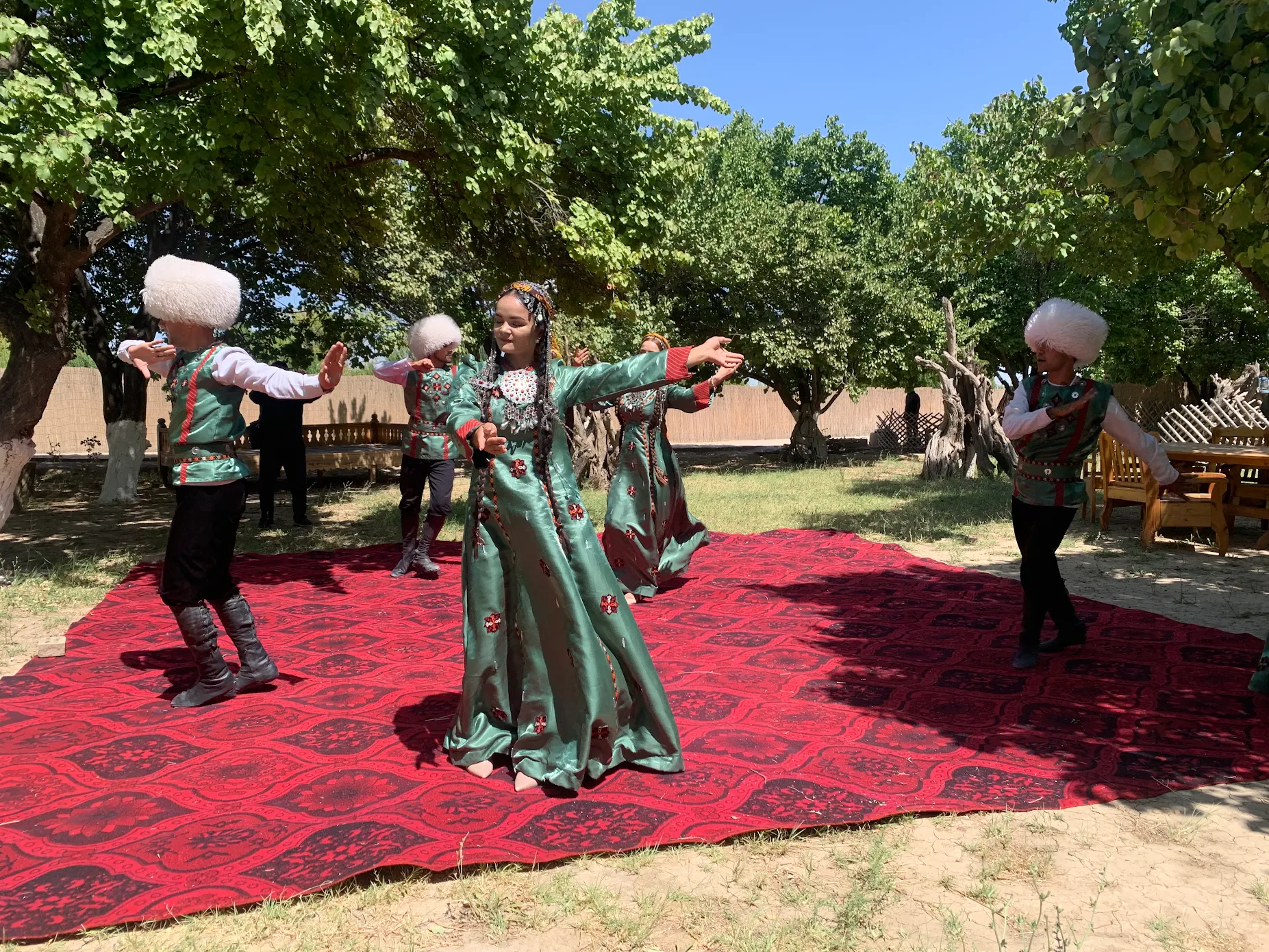
Nowruz, celebrated around March 21, is one of the most interesting times to experience Turkmen culture. Spring celebrations may include traditional music, national dress, food, crafts and cultural performances.
For travelers, this can add a completely different dimension to a Turkmenistan itinerary because the trip becomes not only about monuments and landscapes, but also about local traditions and seasonal celebrations.
National Celebrations in Autumn
Autumn can also coincide with major national celebrations and public events. These dates can create a more festive atmosphere in Ashgabat and other cities, with decorations, performances and special events taking place around the country.
If cultural events are an important part of your trip, it is worth checking the calendar when choosing your travel dates.
Should You Plan a Tour Around a Festival?
Traveling during a festival can make a Turkmenistan trip more memorable, but it is usually better to treat the event as an addition to the itinerary rather than building the entire journey around one specific celebration.
Event programs, locations and access arrangements can vary from year to year, so travelers should confirm the latest schedule before booking flights or finalizing a route.
What to Pack for Turkmenistan by Season
Bring light layers, comfortable walking shoes, sunglasses and sunscreen. A fleece or light jacket is useful for cool mornings, evenings and desert nights.
Pack lightweight breathable clothing, a hat, sunglasses, sunscreen and a reusable water bottle. A light long-sleeved layer is also useful for sun protection.
Bring a warm jacket, fleece or sweater, long trousers and closed shoes, especially for desert areas and overnight stays near Darvaza.
Comfortable shoes, sun protection, a small day bag and personal medication are useful year-round. Keep an extra light layer accessible during longer road journeys.
FAQ: Best Time to Visit Turkmenistan
What is the best month to visit Turkmenistan?
April, May and October are among the most comfortable months for many travelers. They generally offer pleasant conditions for city sightseeing, desert travel, archaeological sites and longer overland itineraries.
What is the best time to visit Darvaza Gas Crater?
Spring and autumn are especially comfortable for visiting Darvaza because daytime temperatures are milder and evenings are suitable for spending time near the crater. Desert nights can still become cool, so an extra layer is useful.
Is summer too hot to visit Turkmenistan?
Summer travel is possible, but June, July and August can be very hot, particularly in the Karakum Desert and inland regions. Early departures, air-conditioned transport and shorter outdoor visits during the hottest part of the day can make the trip more comfortable.
Can you visit Turkmenistan in winter?
Yes. Winter travel is possible, especially for travelers who prefer cooler daytime conditions and quieter sightseeing. Warm clothing is important for mornings, evenings and overnight stays in desert areas.
Is March a good time to visit Turkmenistan?
March can be a good time to travel as temperatures begin to rise and spring conditions gradually arrive. Travelers visiting around March 21 may also have the opportunity to experience Nowruz celebrations and seasonal cultural events.
When is the best time for a longer Turkmenistan tour?
April, May, late September and October are particularly well suited to longer itineraries because conditions are generally more comfortable for road journeys, outdoor sightseeing and combining several regions in one trip.
Plan Your Turkmenistan Tour
Ready to start planning your trip? Explore our private Turkmenistan tours, join one of our confirmed group departures, or contact Darvaza Tour for an itinerary tailored to your travel dates and interests.