

Nisa, Turkmenistan – Ancient Capital of the Parthian Empire
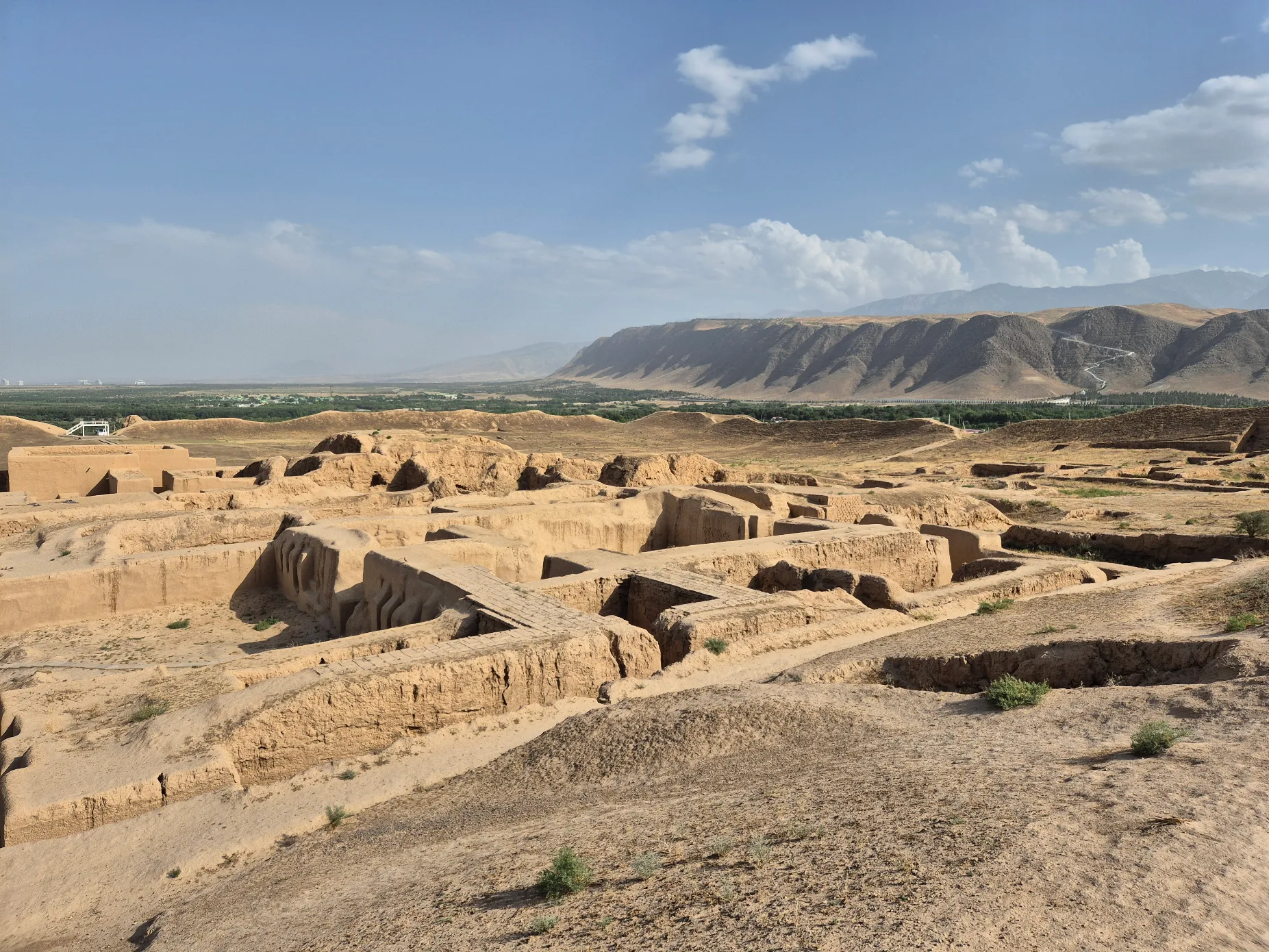
Nisa is one of Turkmenistan’s most important archaeological sites and one of the great historical treasures located just outside Ashgabat.
More than two thousand years ago, Nisa became an important center of the powerful Parthian Empire, which controlled vast territories between the Mediterranean world, Persia and Central Asia.
Today, the archaeological complex includes Old Nisa and New Nisa, where visitors can explore the remains of ancient fortifications, monumental halls, temples and other structures that reveal the scale and sophistication of Parthian civilization.
Recognized as a UNESCO World Heritage Site, Nisa offers travellers a rare opportunity to discover the remains of an empire that once stood among the major powers of the ancient world — all within easy reach of Ashgabat.
History of Nisa and the Parthian Empire
Nisa rose to prominence during the early centuries of the Parthian Empire, one of the great powers of the ancient world. From the 3rd century BC onward, the Parthians controlled a vast territory stretching between Central Asia, Persia and Mesopotamia, placing them directly between the eastern world and the expanding Roman sphere.
Old Nisa became closely connected with the Arsacid royal dynasty. Ancient inscriptions found at the site refer to Mithradatkert, meaning “Fortress of Mithridates,” a name associated with King Mithridates I, one of the most important rulers of the Parthian period.
The city was not only a political center. Its architecture and archaeological finds reveal a place shaped by different cultural influences. Local Central Asian traditions existed alongside elements inspired by the Hellenistic and Mediterranean worlds, creating a style that was distinctly Parthian.
Nisa also benefited from its position on important routes linking east and west. Merchants, officials and travellers moved through the region, helping the city become part of a wider network of trade and cultural exchange.
For travellers today, this history makes Nisa especially fascinating: the ruins are the remains of an empire that once stood as a serious rival to Rome and played a major role in connecting the civilizations of Central Asia and the Mediterranean world.
What to See at Nisa
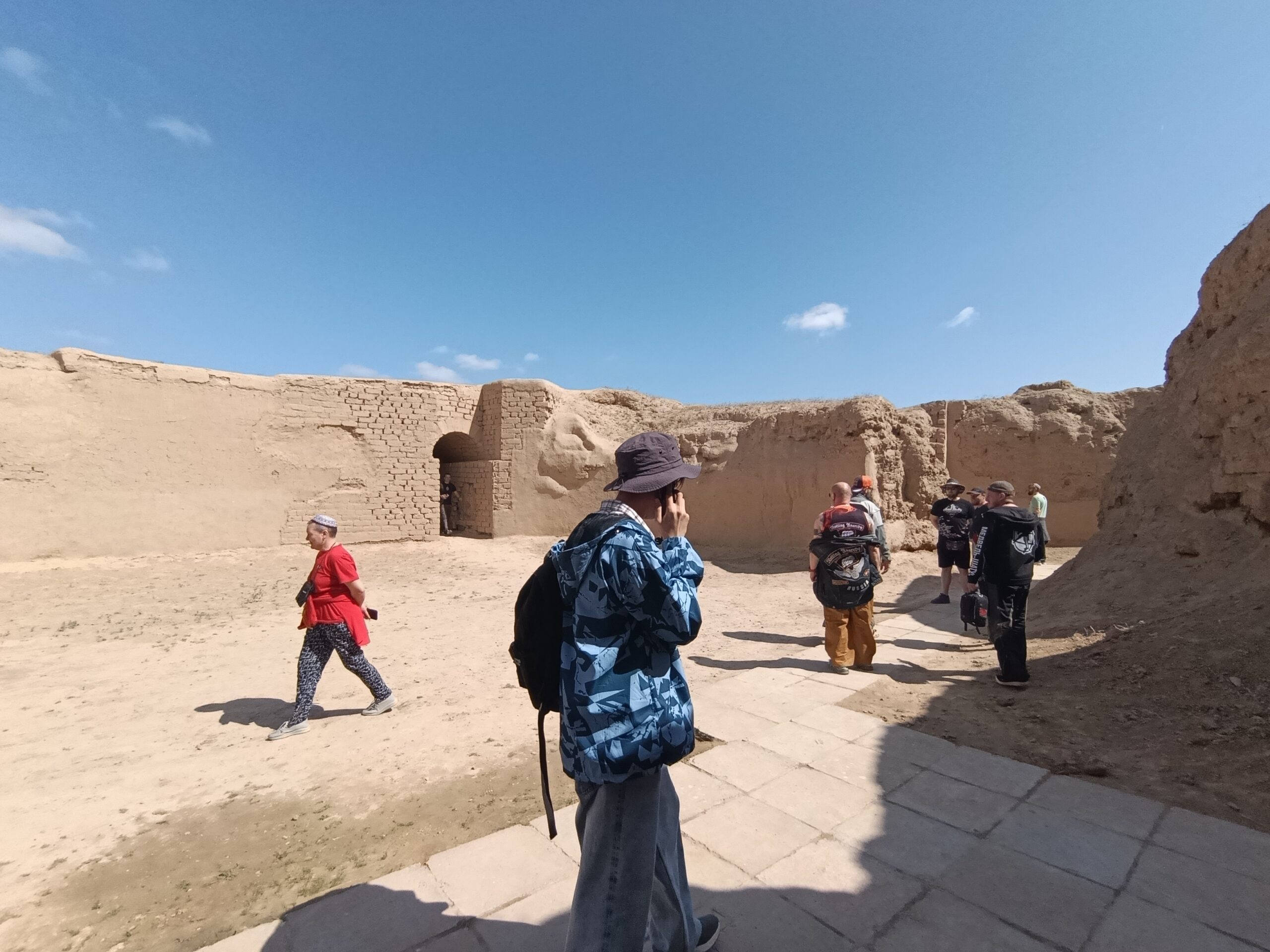
The most impressive part of a visit to Nisa is Old Nisa, a fortified complex surrounded by massive earthen walls. Even in ruins, the scale of the site gives a clear sense of how important this place once was.
Inside the ancient walls, visitors can see the remains of ceremonial halls, temples, courtyards and storage areas that formed part of the royal and religious life of the settlement. The layout helps reveal how carefully the complex was planned and how different parts of the city were used.
One of the most interesting features of Nisa is the contrast between its simple mud-brick walls and the sophisticated culture they once protected. Archaeological excavations uncovered decorative elements, sculptures, pottery, coins and famous ivory rhytons, showing that the site was connected with a much wider world of trade and artistic influence.
The surrounding landscape also adds to the experience. From the ruins, visitors can look across the open plains toward the Kopet Dag Mountains, creating a striking backdrop for the ancient fortress.
For travellers, Nisa is less about one single monument and more about walking through the remains of an entire royal complex and imagining the political, religious and ceremonial life that once unfolded within its walls.
How to Visit Nisa from Ashgabat
Nisa is located only around 18 kilometres west of Ashgabat, making it one of the easiest major historical sites to include in a visit to the capital.
Most travellers reach the ruins by private vehicle with a local guide. The journey from central Ashgabat is relatively short, and the visit can usually be combined with other attractions around the city without requiring a full day.
Darvaza Tour can arrange a private visit to Nisa with transportation, an experienced local guide and a flexible schedule based on your itinerary. A guided visit is especially valuable here, as many of the ancient structures are preserved as foundations and walls, and their original purpose is much easier to understand with historical explanation.
Nisa can easily be combined with sightseeing in the capital. Explore our Ashgabat Travel Guide to discover more attractions, museums and experiences that can be included in your visit.
The site is largely open to the elements, so comfortable walking shoes, drinking water and sun protection are recommended, particularly during the warmer months.
For travellers staying in Ashgabat, Nisa offers an easy opportunity to step away from the modern capital for a few hours and experience more than two thousand years of history with Darvaza Tour.
Ready to discover Nisa?
Discover ancient Nisa just beyond Ashgabat with Darvaza Tour.
We can include Nisa in your private Ashgabat program or a longer journey through Turkmenistan.