
Ashgabat, Turkmenistan – Travel Guide & Top Attractions
Things to Do and Sightseeing Tours in Ashgabat
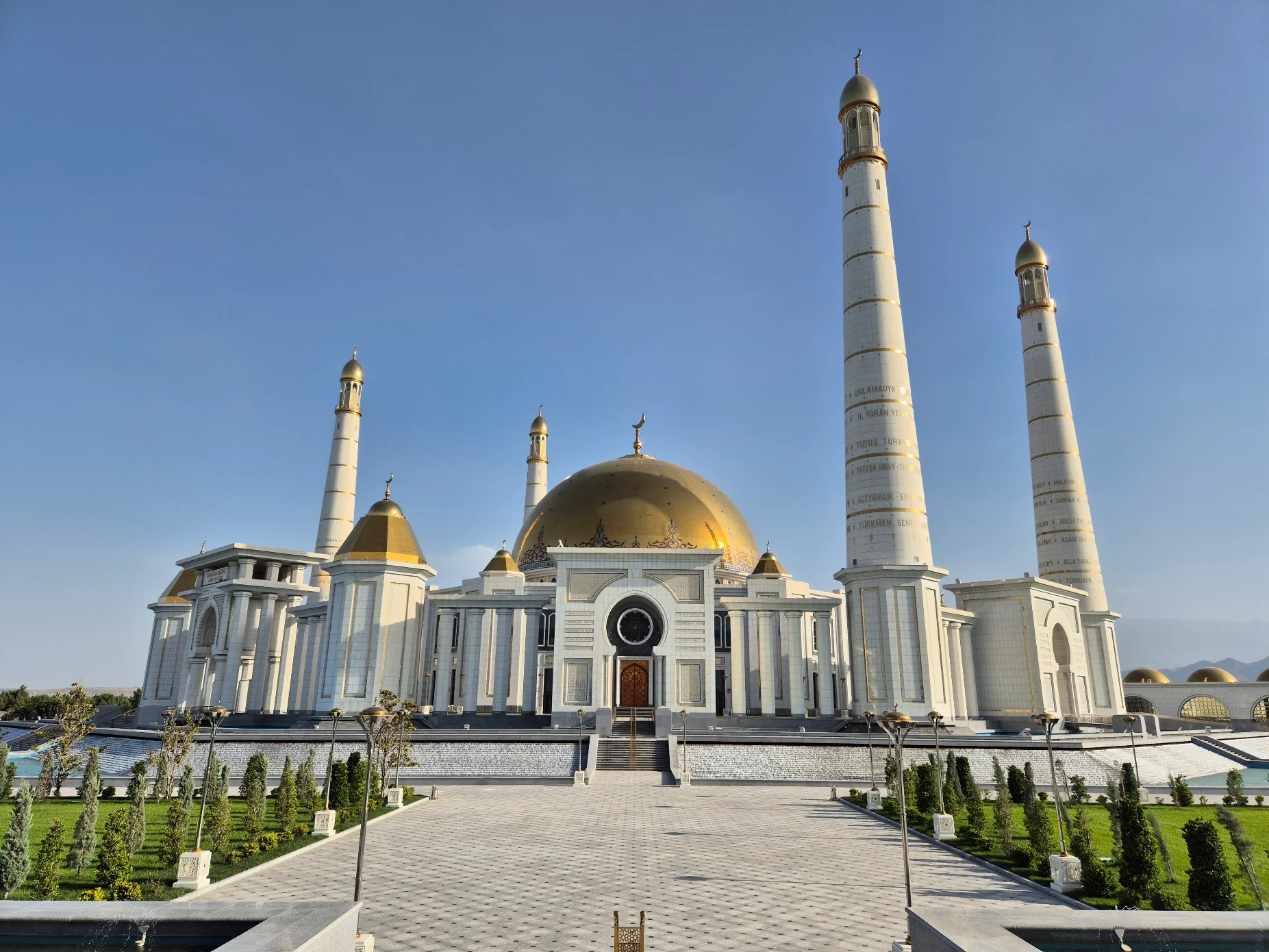
Welcome to Ashgabat, Turkmenistan’s extraordinary capital, where monumental white-marble architecture, landscaped parks and wide ceremonial avenues rise against the foothills of the Kopet Dag Mountains.
Ashgabat is unlike any other city in Central Asia. Ancient history lies just beyond its modern skyline, while museums, traditional bazaars, national monuments and local cultural experiences reveal many different sides of Turkmenistan.
This Ashgabat travel guide brings together the city’s top attractions, history, museums, parks, food, shopping and practical travel information to help you understand what to see and how to plan your visit.
Whether Ashgabat is the starting point of your journey or part of a longer tour through Turkmenistan, the capital offers an unforgettable introduction to the country’s history, culture and modern identity.
History of Ashgabat
The story of Ashgabat reaches far beyond the modern city of white marble. For centuries, the foothills of the Kopet Dag Mountains formed part of an important crossroads connecting Central Asia with Persia and the wider Silk Road world.
Just outside today’s capital lie the Parthian Fortresses of Nisa, once one of the most important centers of the powerful Parthian Empire. Today, the ancient ruins are protected as a UNESCO World Heritage Site and remain one of Turkmenistan’s most remarkable archaeological treasures.
Modern Ashgabat began to take shape in the late 19th century. After the arrival of the Russian Empire in the region in 1881, the small settlement gradually developed into an important administrative and commercial center. Its name is commonly associated with the Persian words for “love” and “inhabited place”, giving rise to the poetic interpretation “City of Love.”
During the Soviet period, Ashgabat expanded rapidly and became the political, cultural and economic center of Turkmenistan. Its history changed dramatically on 6 October 1948, when a devastating earthquake destroyed much of the city. Ashgabat was subsequently rebuilt, beginning another important chapter in its development.
Following Turkmenistan’s independence in 1991, Ashgabat entered a new era. The capital was transformed with monumental architecture, landscaped parks, fountains and its now-famous white-marble buildings.
Today, Ashgabat is a city where ancient history and modern ambition stand side by side — from the ruins of Nisa to the striking skyline of one of Central Asia’s most unusual capitals.
Things to Do in Ashgabat
Ashgabat Attractions
Ashgabat is one of the most distinctive capitals in Central Asia, famous for its monumental white-marble architecture, impressive fountains, wide avenues and striking modern landmarks. Against the backdrop of the Kopet Dag Mountains, the city combines contemporary design with Turkmen traditions and national symbolism.
Among its best-known sights is the Alem Cultural and Entertainment Center, home to a giant enclosed Ferris wheel that entered the Guinness World Records when it opened in 2012. Nearby stands Turkmenistan’s enormous national flag, flying from a 133-meter flagpole that was once the tallest in the world.
The impressive Oguzkhan Presidential Palace forms part of Ashgabat’s monumental government quarter. Although the palace itself is not open to visitors, its white-marble façade and golden domes make it one of the city’s most recognizable architectural landmarks. Close by is the luxurious Oguzkent Hotel, combining modern architecture with traditional Turkmen decorative elements.
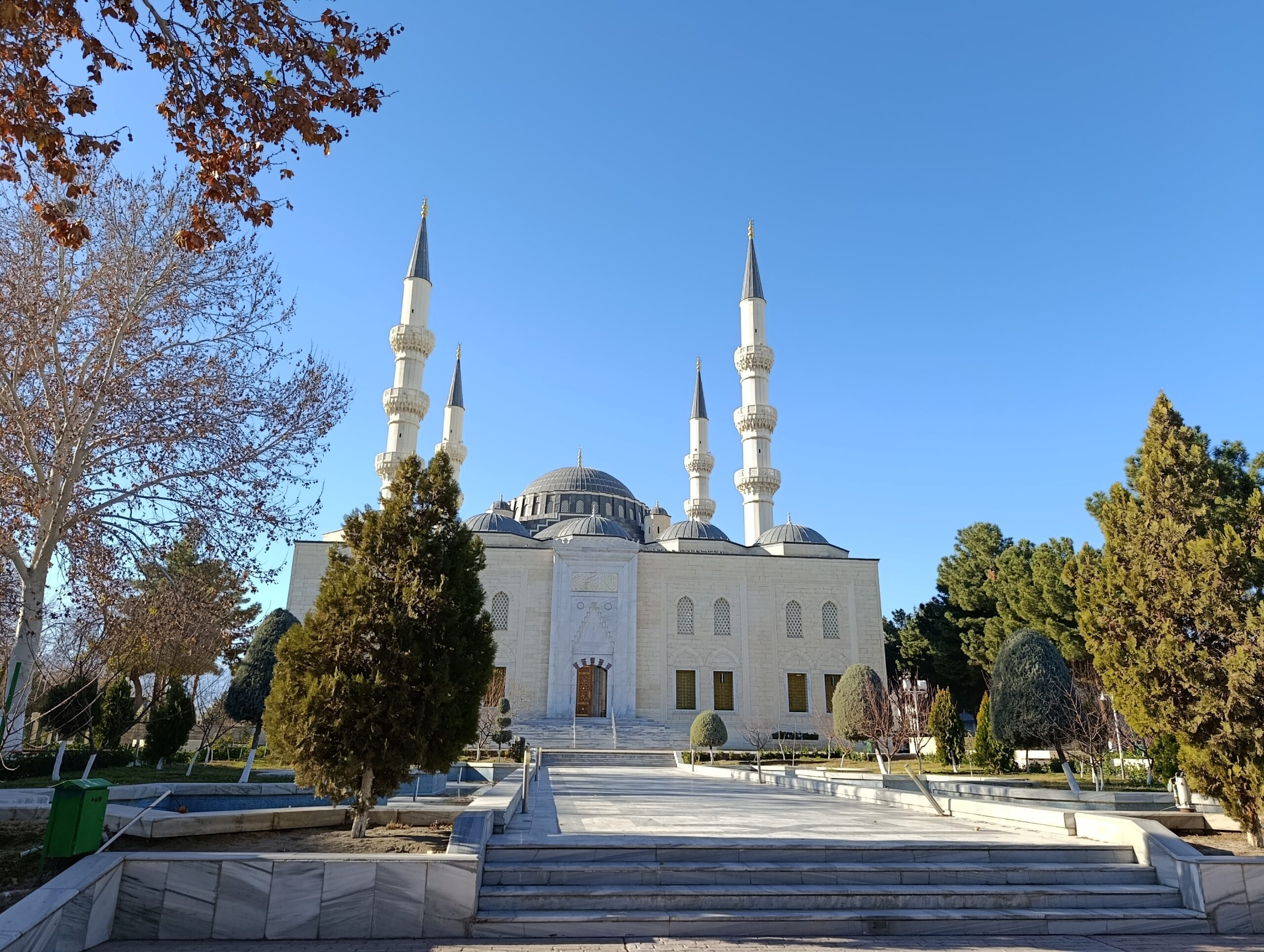
Ashgabat also offers several important religious landmarks. The elegant Ertogrulgazy Mosque, inspired by classical Ottoman architecture, is one of the city’s largest mosques, while the historic Alexander Nevsky Church, built in 1900, provides a fascinating contrast to the capital’s modern skyline.
Another symbol of Ashgabat is the Bagt Koshgi Wedding Palace, designed around the form of the traditional eight-pointed Turkmen star and crowned by a huge golden globe. Its unusual architecture has made it one of the most photographed buildings in the capital.
The monumental Independence Monument is another essential stop. Rising 118 meters above a landscaped park, its design combines modern architecture with traditional Turkmen symbols, including a yurt-inspired base, a golden crescent and five stars representing the country’s historic tribes.
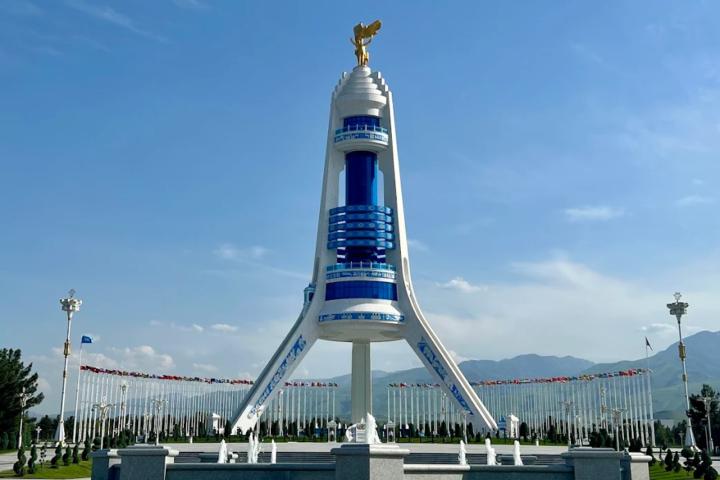
Another recognizable landmark of Ashgabat is the Monument of Neutrality, a striking multi-level structure crowned by a golden statue of Turkmenistan’s first president, Saparmurat Niyazov. Originally located in the city center, the monument was relocated in 2011 and remains one of the capital’s most unusual architectural symbols.
Ashgabat is also famous for its abundance of fountains. One of the most impressive is the Oguzkhan and Sons Fountain Complex, covering around 15 hectares and featuring dozens of fountains. Its monumental sculptures and water displays symbolize the unity and traditions of the Turkmen people.
Around 18–19 kilometers from the capital lie the Parthian Fortresses of Nisa, one of Turkmenistan’s most important archaeological sites and a UNESCO World Heritage Site. Once a major center of the Parthian Empire, Nisa preserves the remains of ceremonial halls, temples, shrines and other monumental structures dating back more than two thousand years.
Another fascinating historical destination near Ashgabat is Anau, an area with archaeological remains stretching back thousands of years. Visitors can also see the ruins of the 15th-century Seyit Jamal ad-Din Mosque, once famous for its remarkable decoration.
Rising above the Kopet Dag foothills, the Ashgabat TV Tower is one of the most visible landmarks of the capital. The 211-meter structure is decorated with a giant eight-pointed star recognized by Guinness World Records and includes a panoramic revolving restaurant overlooking the city.
Together, these landmarks reveal another side of Ashgabat — a capital where monumental modern architecture stands remarkably close to some of Central Asia’s oldest archaeological sites.
Ashgabat Museums
Ashgabat’s museums offer an excellent introduction to the history, traditions and cultural heritage of Turkmenistan — from ancient civilizations and traditional carpet weaving to the dramatic events of the 20th century.
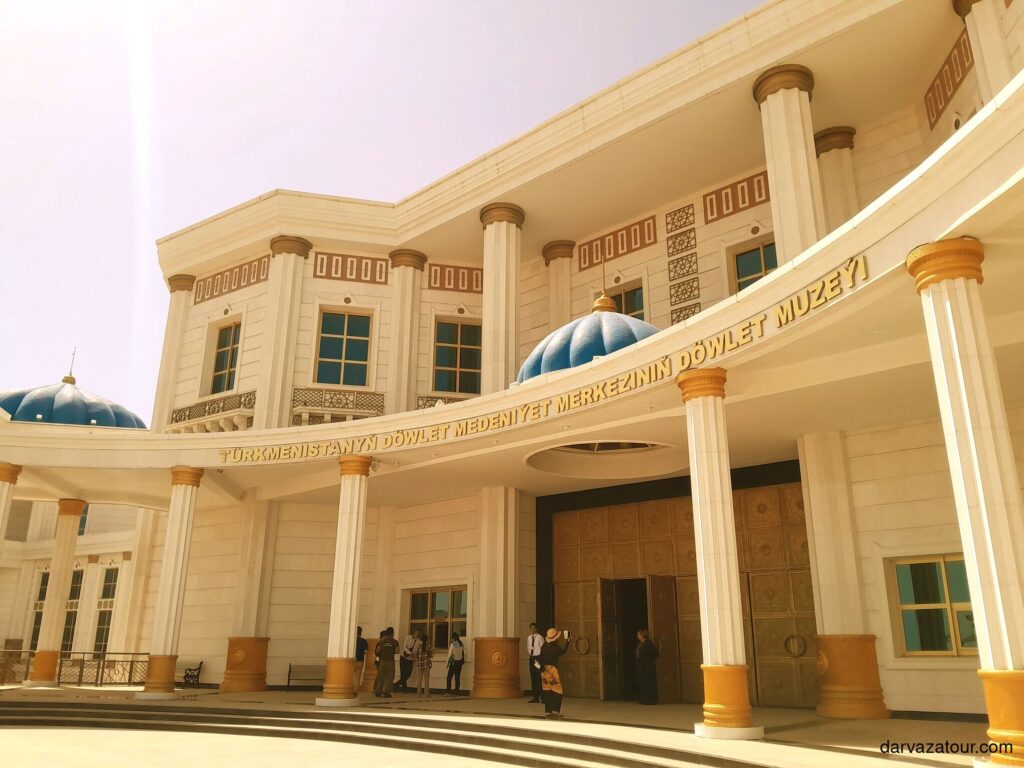
The State Museum of the State Cultural Center of Turkmenistan is one of the country’s most important museums. Its extensive collection includes archaeological discoveries, traditional clothing, jewelry, historical objects and artifacts dating back thousands of years. For travellers interested in understanding Turkmenistan beyond its modern architecture, this is one of the best places to begin.
One of Ashgabat’s most distinctive attractions is the Turkmen Carpet Museum, dedicated to the centuries-old art of Turkmen carpet weaving. Visitors can admire both historic and contemporary handmade carpets, learn about the traditional patterns associated with different Turkmen tribes and see enormous ceremonial carpets, including record-breaking examples. The museum provides a fascinating insight into a craft that remains one of the strongest symbols of Turkmen culture.
For those interested in nature, the National Museum of Wildlife of Turkmenistan, located near Ashgabat, presents animals and ecosystems from Turkmenistan and other parts of the world. The large complex includes numerous species of mammals, birds, reptiles and fish.
Another unusual museum is the Ak Bugday Museum, or Museum of White Wheat, located in Anau near the capital. The museum explores the ancient history of agriculture in the region and displays archaeological finds connected with early grain cultivation, farming tools, millstones and ceramics. It offers an interesting glimpse into how people lived and farmed in this part of Central Asia thousands of years ago.
The Sanctity of the Motherland Museum, located within the Halk Hakydasy Memorial Complex, focuses on some of the most difficult chapters of Turkmenistan’s modern history. Its exhibitions commemorate those who lived through the Second World War and the devastating Ashgabat earthquake of 1948.
Together, Ashgabat’s museums reveal a much deeper side of the capital — connecting its futuristic white-marble appearance with the ancient history, craftsmanship and traditions of the Turkmen people.
Ashgabat Theaters
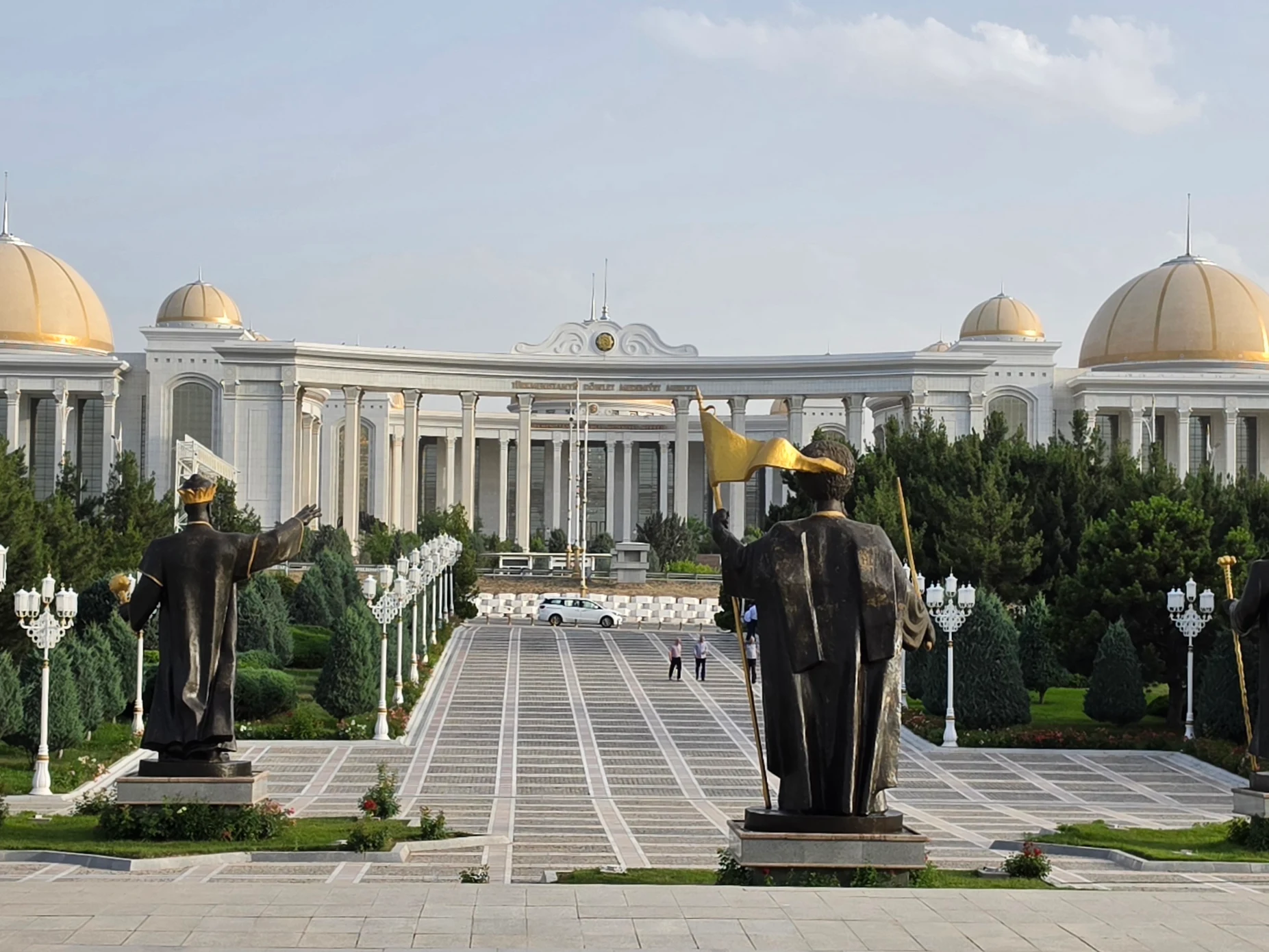
Ashgabat has a lively theatrical scene that offers visitors another way to discover Turkmen culture, literature and performing arts. The capital is home to several drama, musical and family theatres, with performances ranging from traditional Turkmen works to international classics.
The Main Academic Drama Theater named after S. Turkmenbashi the Great is one of the country’s leading cultural venues. Its repertoire focuses largely on Turkmen drama, combining classical works with contemporary productions performed in the Turkmen language.
The historic Pushkin State Russian Drama Theater, founded in 1926, remains the country’s principal Russian-language theatre. Its programme includes drama, comedy, classical works and performances for children, making it one of Ashgabat’s most diverse stages.
Visitors can also explore the Magtymguly National Music and Drama Theater, where theatre is often combined with music, and the Alp Arslan National Drama Theater, known for a varied programme of contemporary and traditional productions. The Mollanepes Student Theater is particularly popular with younger audiences and presents more youthful and experimental performances.
Families travelling with children may enjoy the Turkmen State Puppet Theater, which regularly stages colourful fairy tales and family performances.
For travellers interested in local culture, an evening at one of Ashgabat’s theatres can be an enjoyable opportunity to experience the artistic life of the Turkmen capital beyond its monuments and museums.
Entertainment, Parks and Shopping in Ashgabat
Ashgabat Parks

Despite its monumental architecture and wide avenues, Ashgabat is also a surprisingly green city, with numerous parks, gardens and peaceful spaces where visitors can relax between sightseeing stops.
One of the city’s traditional recreation areas is Ashgabat Park, a popular place for leisurely walks and family outings. Another pleasant escape is the Botanical Garden, home to a variety of plants from Turkmenistan and other parts of the world. Spring, especially from April to June, is one of the most enjoyable times to visit.
The elegant Inspiration Alley combines landscaped gardens with Turkmen history and culture. Shaded paths are decorated with monuments and sculptures dedicated to prominent Turkmen poets, writers, scientists and cultural figures, making it an enjoyable place for both walking and photography.
Among the capital’s most impressive green spaces is Independence Park, surrounded by fountains, monuments and some of Ashgabat’s most recognizable architecture. The city also has many smaller parks and landscaped squares that become particularly pleasant in the cooler morning and evening hours.
Families travelling with children can visit the colourful World of Turkmenbashi Tales, an amusement park inspired by Turkmen folklore and traditional fairy tales, with rides and attractions designed for younger visitors.
For something more active, head to the Health Trail in the foothills of the Kopet Dag Mountains. Stretching for many kilometres along the slopes outside Ashgabat, the trail offers fresh mountain air, panoramic views and an opportunity for hiking or exercise away from the city centre.
From peaceful gardens to mountain trails, Ashgabat offers plenty of opportunities to slow down, enjoy the outdoors and see a greener side of the Turkmen capital.
Shopping in Ashgabat

Shopping in Ashgabat offers two very different experiences — lively traditional bazaars filled with local products and modern shopping centres with international-style stores, cafés and entertainment.
One of the most impressive places to visit is Altyn Asyr Bazaar, the largest market in Turkmenistan. Covering a vast area, the bazaar is designed in the shape of a traditional Turkmen carpet when viewed from above. Visitors can find everything from fresh produce, spices and household goods to clothing, textiles, carpets and traditional souvenirs. Even if you are not planning to shop, wandering through the market is a great way to experience everyday local life.
Closer to the city centre is the Gulistan Shopping Centre, better known as the Russian Bazaar. Popular with both residents and visitors, it is a convenient place to browse local food, dried fruits, sweets, spices, souvenirs and other everyday products.
For a more modern shopping experience, Berkarar Shopping and Entertainment Centre is one of the capital’s most popular destinations. Alongside numerous shops, it offers cafés, restaurants, a cinema and entertainment areas, making it a comfortable place to spend a few hours, especially during the warmer part of the day.
Ashgabat also has several other shopping centres and local markets scattered around the city, offering everything from clothing and electronics to traditional Turkmen handicrafts.
For travellers looking for a memorable souvenir, Turkmen carpets, embroidered textiles, traditional jewellery, scarves and locally made handicrafts are among the most distinctive items to look for while exploring the capital.
Food in Ashgabat
Ashgabat is a great place to discover the flavours of Turkmen cuisine, known for its hearty dishes, fresh ingredients and simple but rich combinations of meat, rice, vegetables and bread.
Traditional food can be enjoyed not only in restaurants and cafés, but also in small local eateries where visitors can experience a more authentic side of everyday life. Popular dishes include plov, dograma, manty, shashlik and freshly baked Turkmen bread, often served with tea and seasonal vegetables.
Alongside traditional cuisine, Ashgabat also offers restaurants serving international, Turkish, Russian and Central Asian dishes, giving travellers plenty of choice during their stay.
Turkmen Food
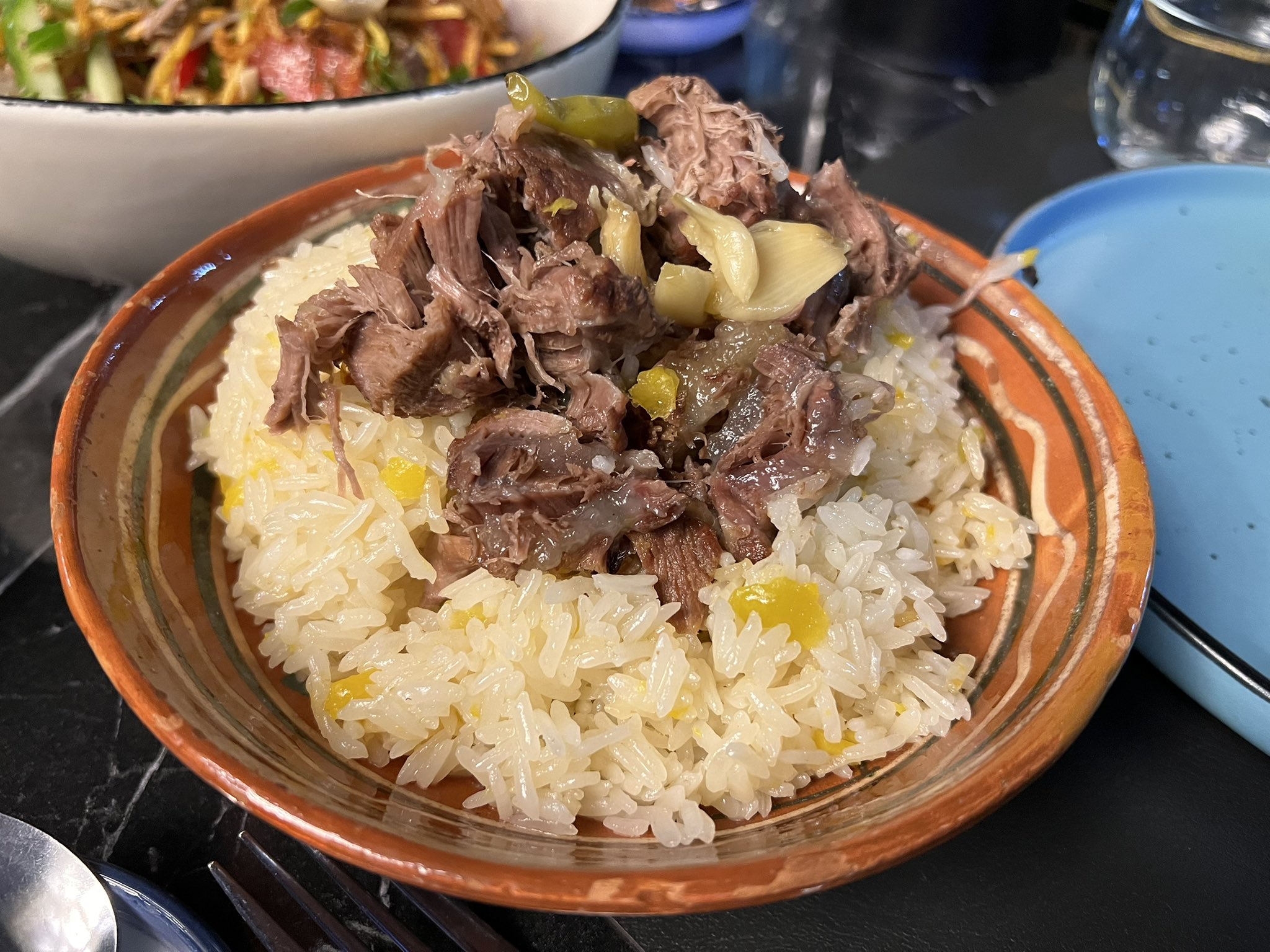
For a deeper taste of Turkmen cuisine, try chekdirme — tender lamb slowly cooked with vegetables — or oytykma, a traditional stuffed poultry dish.
Fish also has an important place in Turkmen cuisine. In Ashgabat, visitors can find interesting local variations such as fish pilaf and fish-filled manty, alongside more familiar meat dishes.
Traditional Turkmen food can be enjoyed in many restaurants across the capital, including well-known local venues such as Chandybil, Altyn Chinar, Kopetdag and Soltan. These are good places to discover the flavours of Turkmenistan in a more traditional setting.
Vegeterian Food
Vegetarian dining options in Ashgabat are more limited than in many international capitals, but travellers can still find a good selection of meat-free dishes.
Many restaurants can prepare simple vegetarian meals on request, while Indian, Chinese, Korean and other Asian restaurants usually offer several vegetable-based options. Traditional Turkmen cuisine also includes fresh salads, vegetables, bread, rice dishes and other foods that can sometimes be prepared without meat.
If you follow a vegetarian diet, it is always a good idea to let your guide or restaurant staff know in advance so they can help arrange suitable meals during your stay.
Coffee Shops and Boulangeries
Tea remains the traditional drink of choice in Turkmenistan, but Ashgabat also has a growing café culture for travellers looking for a good cup of coffee.
Popular places include Coffee Station, Alfredo Coffee Shop and Shop Coffee, where visitors can relax with coffee, desserts and light snacks.
For fresh pastries and European-style baking, La Tartine French Bakery is a popular choice, offering croissants, cakes and other sweet treats.
Whether you prefer traditional tea or a modern café atmosphere, Ashgabat offers plenty of pleasant places to take a break during a day of sightseeing.
Public Transport in Ashgabat

Buses
Ashgabat has an extensive public bus network connecting the city centre with residential areas and major districts. The buses are generally modern, and many bus stops are equipped with shelters and air-conditioning, which is especially useful during the hot summer months.
Bus services are frequent, although departure times may not always follow a strict published schedule. For visitors unfamiliar with the city, travelling with a local guide or asking for assistance can make using public transport much easier. Bus fares are inexpensive, making buses one of the most affordable ways to travel around the capital.
Minibuses
Minibuses are another way to travel around Ashgabat and usually operate on popular routes across the city. They can be convenient for short journeys, although they are often busier and less comfortable than regular city buses.
Fares are generally inexpensive, but visitors who are unfamiliar with the routes may find buses, taxis or pre-arranged transport easier to use.
Taxi
Taxis are one of the most convenient ways for visitors to get around Ashgabat. Official taxi services operate throughout the capital and can usually be arranged by phone, through a hotel or with the assistance of a local guide.
Fares are generally affordable and depend on the distance travelled. It is advisable to confirm the approximate price before starting your journey, especially when using a privately operated vehicle.
For international visitors unfamiliar with the city, official taxis or pre-arranged transfers are usually the easiest and most comfortable option, particularly for airport journeys and evening travel.
Car Rental
Self-drive car rental is not commonly available in Ashgabat. Most international visitors travel around the city by taxi, private transfer or chauffeur-driven vehicle, which is generally the easiest and most convenient option.
Other types of transport
Ashgabat is home to one of the most unusual transport systems in Central Asia — a monorail built as part of the Ashgabat Olympic Complex. Opened in 2016, the elevated line connects several points within the large sports and residential area and has become another distinctive feature of the capital’s modern architecture.
For panoramic views and a completely different perspective on the city, visitors can also take the Ashgabat Cable Car. The approximately 4-kilometre route climbs into the foothills of the Kopet Dag Mountains, offering impressive views over Ashgabat and the surrounding landscape.
The upper area, historically associated with Archabil and Firyuza, is known for its greener mountain scenery and cooler atmosphere, providing a pleasant contrast to the urban centre.
The monorail and cable car show two very different sides of Ashgabat — one futuristic and modern, the other opening the way to the natural landscapes just beyond the city.
How to Get to Ashgabat
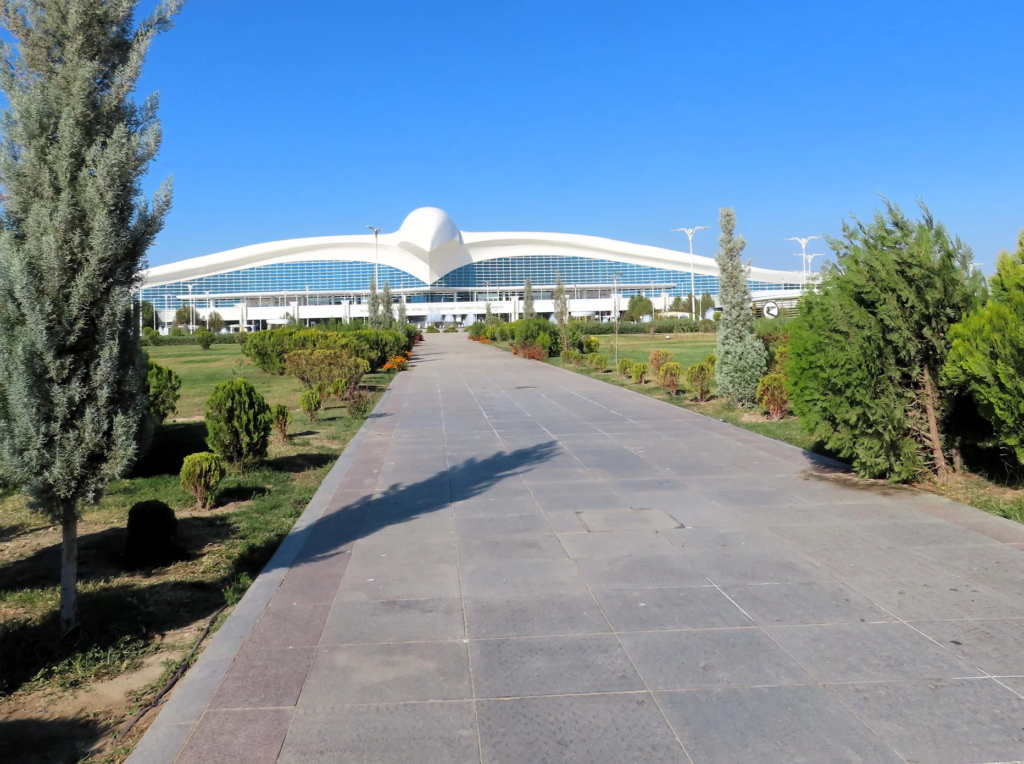
The fastest and most convenient way to reach Ashgabat is by air. Ashgabat International Airport is the main gateway to Turkmenistan and receives regular international flights from Europe, the Middle East and Asia.
International connections are operated by Turkmenistan Airlines as well as foreign carriers such as Turkish Airlines and flydubai. Depending on the season, travellers can reach Ashgabat directly from major cities including Istanbul, Dubai, London, Frankfurt, Moscow, Delhi, Beijing, Bangkok, Seoul and other destinations.
Turkmenistan Airlines also operates an extensive domestic network, making it possible to continue from Ashgabat to cities such as Mary, Turkmenabat and Dashoguz by air.
Flight schedules can change during the year, so travellers are advised to check the latest timetable before booking their journey.
Languages Spoken in Ashgabat
The official language of Turkmenistan is Turkmen, and it is the main language spoken in Ashgabat and throughout the country.
Russian is also widely understood, particularly in the capital, and is commonly used in everyday communication, business and services. Visitors may also hear other regional languages, including Uzbek.
English is less widely spoken, although it is becoming more common among younger people and those working in tourism, hotels and international organizations. In major hotels and tourist areas, visitors can usually find someone who speaks at least basic English.
Travellers exploring Turkmenistan with a local guide will have little difficulty communicating, and learning a few simple words in Turkmen is always warmly appreciated.
Currency in Ashgabat

The national currency of Turkmenistan is the Turkmen manat (TMT), divided into 100 tenge. Manat banknotes and coins are used for everyday purchases throughout Ashgabat and the rest of the country.
The official exchange rate has traditionally been fixed at 3.5 TMT to 1 USD, and foreign currency should be exchanged through authorized banks and exchange facilities.
Turkmenistan remains largely a cash-based destination. International Visa and Mastercard cards have very limited acceptance and should not be relied upon for everyday expenses. Some major hotels may accept international cards, but most shops, cafés, restaurants and local services require cash.
Travellers are therefore advised to bring enough US dollars in good condition, preferably in a selection of denominations, and exchange money as needed during their stay.
If you are travelling with a local tour operator, your guide can also advise you on where to exchange money and how much local currency you are likely to need during your trip.
Security in Ashgabat
Ashgabat is generally considered a safe city for visitors, with a low level of street crime and a visible police presence throughout the capital.
Travellers should nevertheless respect local laws and regulations. Foreign visitors are required to stay at their officially registered accommodation, and overnight stays at a different address may cause problems with the authorities.
It is also advisable to carry your passport or appropriate identification when exploring the city and to follow any instructions given by your guide or local authorities.
Turkmenistan is a relatively conservative country, so modest and respectful clothing is recommended, particularly when visiting mosques, religious sites and government areas.
With normal precautions and respect for local customs, visitors can comfortably explore Ashgabat during both the daytime and evening.
Attractions
Vicinity
Ready to explore Ashgabat?
Discover Turkmenistan’s remarkable capital with Darvaza Tour and experience its architecture, history and local culture with a private guide.
We can include Ashgabat in a city tour or create a longer journey through Turkmenistan around your travel dates.