

Kunya-Urgench, Turkmenistan – Ancient Capital of Khorezm
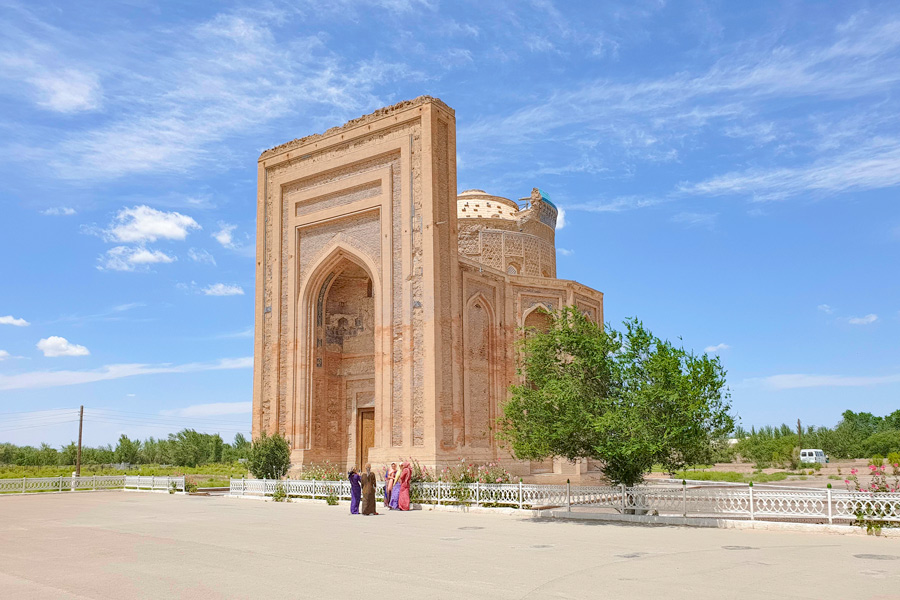
Kunya-Urgench, Turkmenistan is one of the country’s most remarkable historical destinations, preserving the remains of a city that once played a major role in the powerful region of Khorezm.
For centuries, Kunya-Urgench stood at the crossroads of important routes connecting Central Asia, Persia and the lands surrounding the Caspian Sea. Rulers, merchants, scholars and craftsmen all left their mark on the city, creating a collection of monuments that still rises above the surrounding plains today.
Unlike archaeological sites where only foundations remain, Kunya-Urgench is known for its towering minaret, distinctive mausoleums and surviving examples of medieval architecture, allowing visitors to see how the city changed across different periods of its history.
Recognized as a UNESCO World Heritage Site, Kunya-Urgench offers travellers an opportunity to explore one of Turkmenistan’s most important historic landscapes and discover a side of the country shaped by trade, architecture and centuries of cultural exchange.
History of Kunya-Urgench
Kunya-Urgench reached its greatest importance during the medieval period, when it became the capital of Khorezm and one of the leading urban centers of Central Asia. By the 12th and early 13th centuries, the city had grown into a major political, commercial and cultural hub, known for its markets, scholars and monumental architecture.
Its prosperity came to a dramatic end in 1221, when the city was destroyed during the Mongol invasion led by Genghis Khan. Kunya-Urgench was later rebuilt and once again became an important regional center, but it never fully recovered its former dominance.
Further destruction followed during the campaigns of Timur in the late 14th century. By the 16th century, political power had shifted elsewhere, while changes in the course of the Amu Darya also contributed to the city’s decline and eventual abandonment.
What remains today is not a single preserved city, but a collection of monuments built across different centuries. Together, they reveal how Kunya-Urgench changed from a powerful medieval capital into one of Turkmenistan’s most important historical landscapes.
For travellers, this layered history is part of the appeal: each surviving tower, mausoleum and ruined structure belongs to a different chapter in the rise and fall of Khorezm.
Why Kunya-Urgench Is a UNESCO World Heritage Site
Kunya-Urgench was inscribed on the UNESCO World Heritage List in 2005, recognizing both the importance of its architectural tradition and its exceptional testimony to the Islamic culture of historic Khorezm.
What makes the site particularly significant is not simply the age of its monuments, but the architectural knowledge preserved within them. The surviving structures demonstrate sophisticated brickwork, decorative terracotta, glazed ornamentation and the development of increasingly complex dome interiors, including muqarnas — the distinctive stalactite-like decoration that became an important feature of Islamic architecture.
The influence of the architectural traditions developed in Kunya-Urgench extended far beyond present-day Turkmenistan. UNESCO notes that its design and craftsmanship influenced architecture in Iran and Afghanistan and later contributed to architectural traditions within the Mughal Empire in India. This wider influence helps explain why Kunya-Urgench is considered not only an important archaeological site in Turkmenistan, but also an important part of the architectural heritage of Central Asia and the wider Islamic world.
Today, the UNESCO-listed area of Kunya-Urgench remains remarkable for the survival of monuments from different periods within a largely open archaeological landscape. Together, they allow visitors to see how architectural techniques, decoration and religious building traditions developed over several centuries in one of Khorezm’s most important historical centres.
What to See in Kunya-Urgench
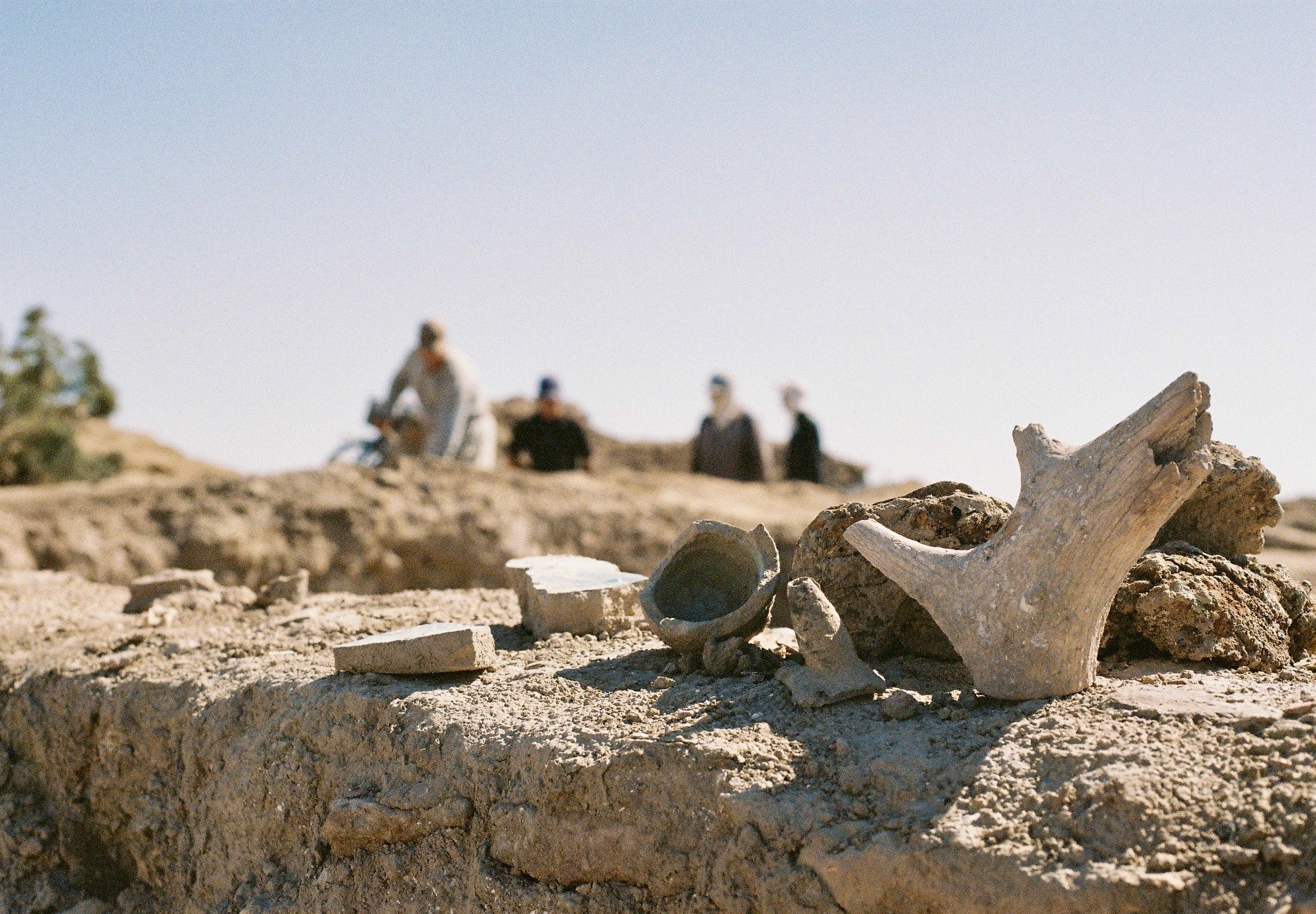
The archaeological landscape of Kunya-Urgench contains some of the most important surviving monuments of medieval Khorezm. Rather than forming one compact architectural complex, the main sights are spread across the historic area, allowing visitors to explore structures from different periods of the city’s development.
Kutlug Timur Minaret is one of the most recognizable landmarks of Kunya-Urgench. Rising high above the surrounding landscape, its slender brick tower is among the tallest surviving medieval minarets in Central Asia and remains one of the clearest symbols of the city’s former importance.
Turabek Khanum Mausoleum is especially notable for its sophisticated architecture and richly decorated interior. Its dome and geometric ornamentation make it one of the most visually distinctive monuments in Kunya-Urgench and an important example of medieval craftsmanship in Khorezm.
Sultan Tekesh Mausoleum is easily recognized by its tall conical roof and monumental brick structure. Built during the period of the Khorezmshahs, it reflects the architectural ambition of a time when Kunya-Urgench was developing into one of the major political and cultural centres of the region.
Il-Arslan Mausoleum is one of the earlier surviving monuments of Kunya-Urgench. Its compact form, decorated brickwork and distinctive roof help illustrate the development of local architectural traditions before the city reached the height of its prosperity.
Najmuddin Kubra Mausoleum is one of the most important religious sites in the area. It is associated with the influential Sufi teacher Najmuddin Kubra, whose legacy made Kunya-Urgench an important place of pilgrimage as well as a centre of Islamic learning.
Kyrk Molla offers a different perspective on the ancient city. Rather than being a single monumental building, the archaeological mound preserves traces of earlier settlement and helps visitors understand that the surviving mausoleums and minarets represent only part of a much larger historic urban centre.
Together, these monuments show why Kunya-Urgench is much more than a collection of isolated ruins. Each site reflects a different stage in the city’s political, religious and architectural history, creating one of the most important historical landscapes in Turkmenistan.
How to Visit Kunya-Urgench
Kunya-Urgench is located in northern Turkmenistan and is most commonly visited from Dashoguz or as part of an overland journey between Turkmenistan and neighbouring Uzbekistan.
Darvaza Tour can arrange a private visit with transportation, a local guide and a route adapted to your wider itinerary. Travellers arriving from the Shavat border near Khiva can include Kunya-Urgench as one of their first stops in Turkmenistan before continuing south.
The historical complex covers a wide area, so having a vehicle makes it much easier to move between the main monuments without rushing. A local guide also helps bring the site to life by explaining how the different mausoleums, minarets and sacred places relate to the history of Khorezm.
Kunya-Urgench can be combined particularly well with Darvaza Gas Crater, creating a route that moves from medieval architecture in the north to one of Turkmenistan’s most famous desert landscapes.
The site can be visited throughout much of the year, although spring and autumn generally offer more comfortable temperatures for walking between the monuments.
For travellers crossing northern Turkmenistan, Kunya-Urgench is one of the easiest ways to add a major UNESCO site to a private journey with Darvaza Tour.
Ready to discover Kunya-Urgench?
Explore one of Turkmenistan’s most important medieval heritage sites with Darvaza Tour.
We can arrange a private visit and include Kunya-Urgench in a longer journey through northern Turkmenistan, tailored to your travel dates and route.